
Best budget fitness watches for women exist, but the “best” one for you usually depends on comfort, phone compatibility, and which health metrics you’ll actually use week to week.
If you’ve ever bought a cheap watch that felt bulky, missed workouts, or spammed you with random notifications, you already know the problem: budget wearables can be great, or quietly annoying. This guide focuses on real-life fit, everyday tracking reliability, and the features that matter most for women shopping in the U.S.
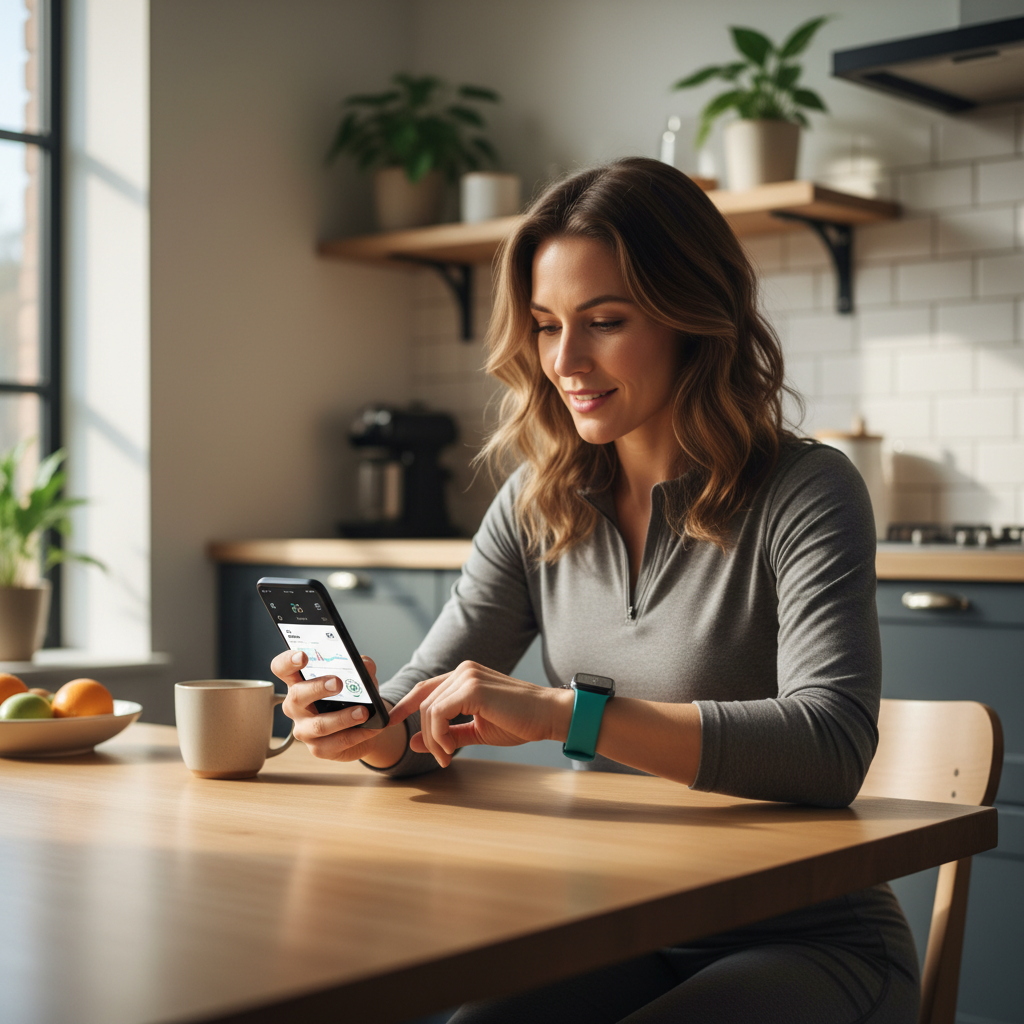
I’ll help you narrow options by wrist size, preferred workouts, and “hidden” costs like subscriptions. You’ll also get a quick table, a simple self-check list, and practical setup tips so your watch earns its spot on your wrist.
What “budget” should include (and what it shouldn’t)
In many U.S. shopping searches, “budget” typically means spending under about $150, sometimes under $100, while still expecting decent heart-rate tracking, workout modes, and app support. The tricky part is that the sticker price isn’t the whole story.
- Upfront price: the device cost, plus tax and any band replacement you might want for comfort.
- Subscription pressure: some brands put deeper insights behind a paid plan, which can turn “cheap” into “not so cheap.”
- Phone ecosystem fit: iPhone users may care about iOS integration more, Android users may prioritize notification handling and Google services.
Also, budget doesn’t have to mean disposable. A well-chosen affordable watch can last years if the app stays supported and the strap fits your daily routine.
Quick comparison table (features that actually change the experience)
This table uses common budget-watch categories rather than specific models, because availability and pricing shift fast. Use it to match what you want, then shop within that category.
| Type | Typical price range | Best for | Trade-offs |
|---|---|---|---|
| Slim fitness band | $40–$90 | Small wrists, step goals, sleep tracking | Smaller screen, fewer apps, simpler GPS |
| Entry-level smartwatch | $80–$150 | Notifications + workouts, casual training | Battery varies, accuracy varies by brand |
| Budget GPS sport watch | $120–$200 (sales) | Running, outdoor walks, pace tracking | Less “smart,” sometimes clunkier design |
Key point: If you mostly want steps, sleep, and reminders, a band can feel better day-to-day than a chunky watch, even if the watch has more features on paper.
Why women often return fitness watches (and how to avoid the same trap)
Most returns come from a few predictable pain points, and none of them show up in a bullet list on the product page.
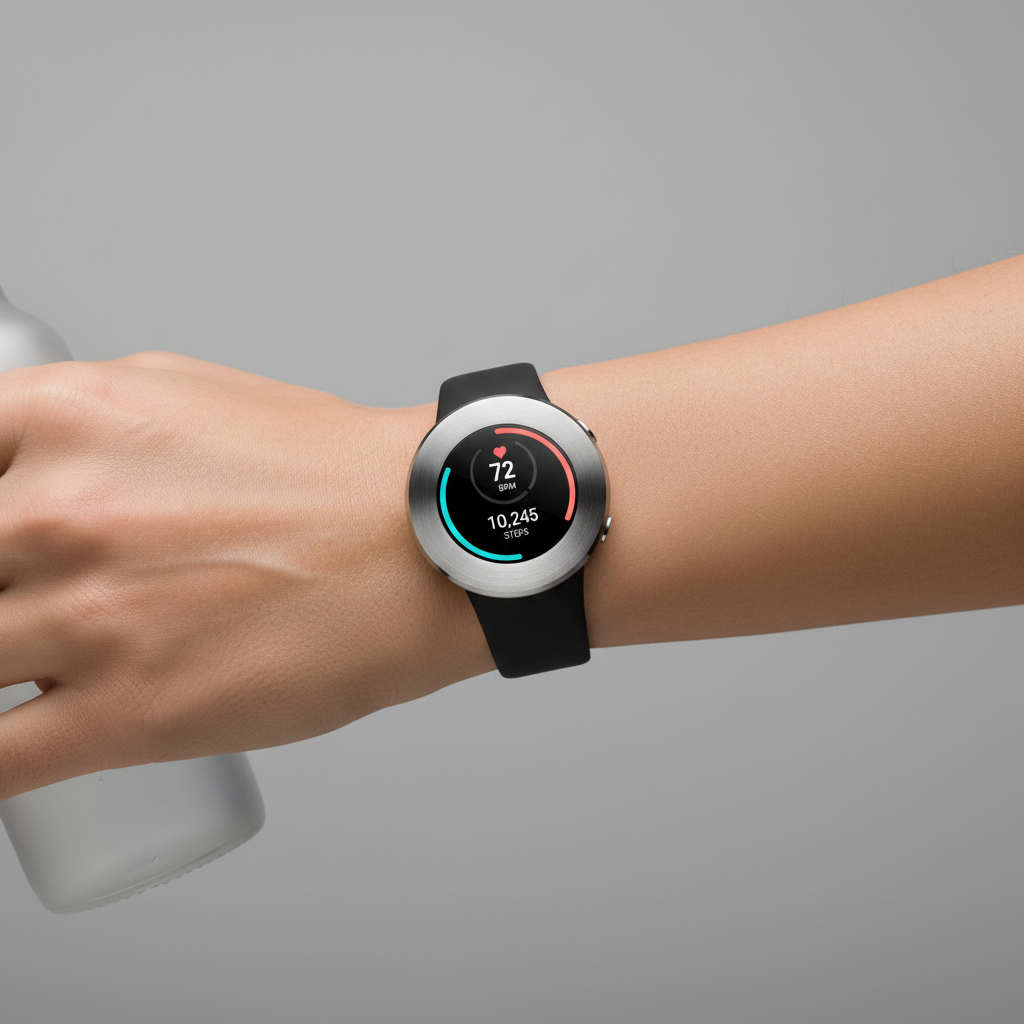
- Fit and comfort: smaller wrists can make larger cases rotate, which can hurt heart-rate readings and feel awkward during typing or lifting.
- Skin irritation: sweat + tight bands + certain materials can cause redness. Swapping to breathable silicone, nylon, or leather-style bands often helps.
- Overpromised metrics: stress scores, recovery scores, and “body battery” style features can be useful, but they’re estimates, not a diagnosis.
- Battery anxiety: a watch you charge every day might sound fine until travel, long shifts, or forgetting one night.
According to FDA, consumer wearables can support general wellness, but they are not a replacement for medical devices, so treat health metrics as trend signals and talk with a clinician if something looks concerning.
A fast self-check list: pick the right category in 60 seconds
If you’re stuck comparing specs, answer these honestly. Your watch choice gets easier fast.
- Wrist comfort matters most: choose a slim band or small-case watch, prioritize lighter weight and shorter lug-to-lug length.
- You walk, do yoga, or gym workouts: you likely don’t need onboard GPS, phone-connected GPS can be enough.
- You run outdoors and care about pace: look for built-in GPS, plus an interface you can read mid-run.
- You hate daily charging: prioritize battery-first devices, even if the screen looks less “smart.”
- You want cycle tracking or women’s health logging: confirm the companion app supports it in your region, and that it’s easy to find and use.
- You want safety features: look for SOS or incident alerts, but read limitations, some require your phone nearby.
For many shoppers searching best budget fitness watches for women, the “best” is simply the one you’ll wear consistently, not the one with the longest feature list.
What to look for in core features (without getting lost in specs)
Heart-rate tracking: good enough vs frustrating
Wrist-based heart rate can drift during intervals, weight training, or when the watch moves around. For budget devices, look for stable readings during steady-state cardio and consistent trends over time. If accuracy matters for training zones, consider pairing a chest strap, if the watch supports it.
GPS: do you need it built in?
Built-in GPS is helpful for runners and hikers who don’t want to carry a phone. Phone-tethered GPS can be fine for walkers and casual joggers, and it often saves money. If you live in a city with tall buildings, GPS performance can vary by device.
Sleep tracking: useful when it’s simple
Sleep staging is an estimate. What’s usually more useful is bedtime consistency, total sleep time, and whether the device catches trends when your routine shifts. According to CDC, sleep supports overall health, so even basic sleep-duration tracking can nudge better habits.
Women’s health features: treat as a planner, not a promise
Cycle predictions can be convenient, but bodies are not spreadsheets. If you’re using cycle data to manage symptoms or fertility planning, consider discussing tracking methods with a qualified healthcare professional.
Practical buying tips (where budget shoppers actually win)
- Shop sales cycles: older models often drop sharply during holiday weeks and back-to-school periods, and you can get better sensors for the same spend.
- Check band options before you buy: if replacement bands are hard to find, you can get stuck with a strap that irritates skin.
- Read the app reviews: many budget devices live or die by their companion app stability, syncing, and update frequency.
- Watch for paywalls: if sleep insights or readiness scores require a subscription, decide upfront whether you’re comfortable paying long-term.
If you’re buying a gift, picking a neutral design with easy band swaps is usually safer than guessing someone’s style.
Setup and usage: make an affordable watch feel “accurate”
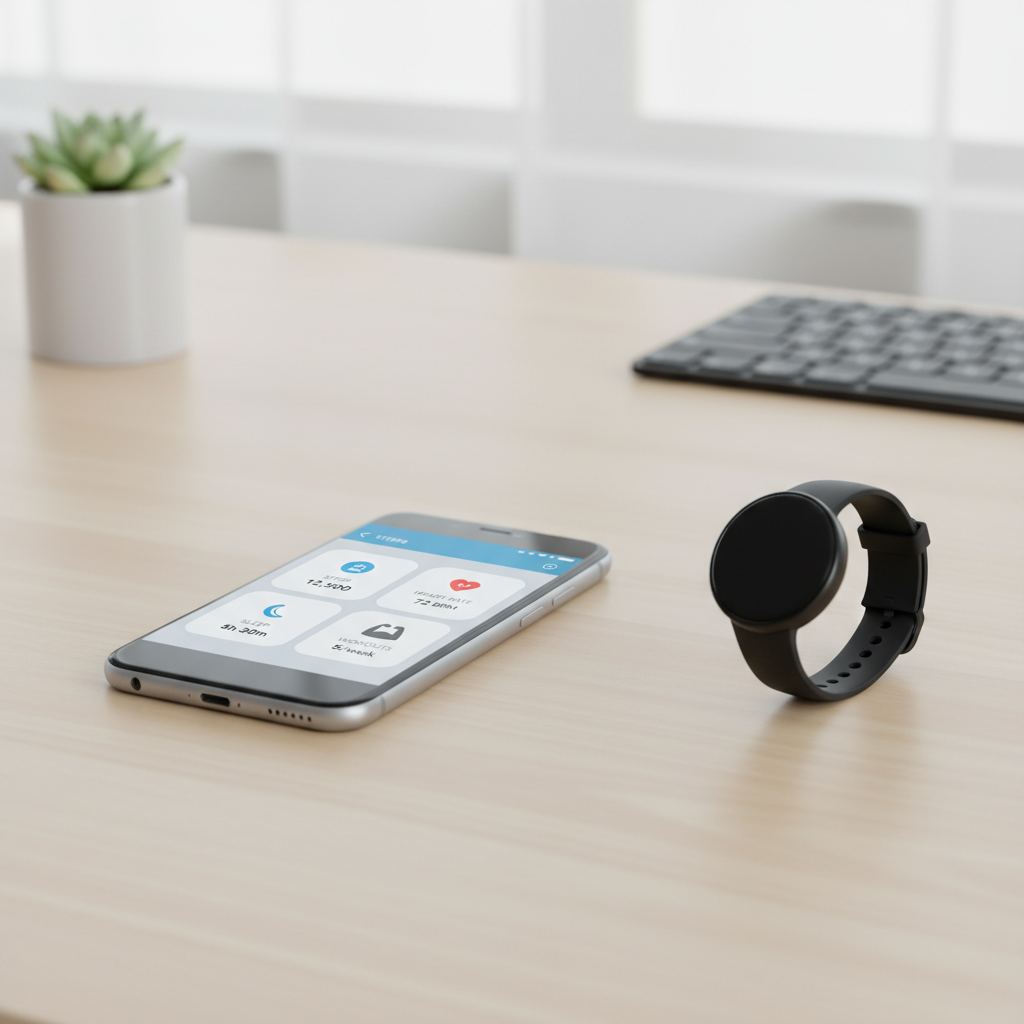
Even the best budget fitness watches for women can look inconsistent if they’re set up poorly. These steps are boring, but they fix a lot.
- Wear position: keep the sensor about a finger’s width above the wrist bone, snug but not cutting circulation.
- Turn on continuous heart rate if you care about trends, otherwise you may only get spot checks.
- Set stride and profile details: height, weight, and wrist preference can affect calorie estimates and motion algorithms.
- Use the right workout mode: “strength training” and “HIIT” often behave differently than “running,” and it changes what the watch pays attention to.
- Give it two weeks: many devices learn your baseline, and your data looks more stable after regular wear.
According to American Heart Association, physical activity supports heart health, so if your watch helps you move more consistently, that’s a meaningful win even if every metric isn’t perfect.
Common mistakes to skip (they waste money fast)
- Buying for “future you”: if you don’t run now, paying extra for advanced running features may not pay off.
- Over-focusing on calories: calorie burn estimates vary a lot between devices, use them for rough trends, not precision.
- Ignoring return policy: comfort and skin sensitivity are personal, a good return window matters.
- Chasing every metric: too many alerts can create guilt, not motivation. Turn off what you won’t use.
Conclusion: how to choose with confidence
The most reliable way to choose best budget fitness watches for women is to match the watch category to your real routine, then prioritize comfort, battery, and app quality over flashy extras. If you want a simple next step, pick one “must-have” feature, one “nice-to-have,” and set a hard price ceiling, then shop sales within that lane.
If you buy one this week, do the basic setup, wear it consistently, and judge it by whether it makes your habits easier, not by whether it produces perfect numbers.
FAQ
What are the best budget fitness watches for women with small wrists?
Usually slim bands or smaller-case watches feel better and stay in place, which can also improve heart-rate readings. Look for lighter weight and lots of band choices.
Is built-in GPS worth it on a budget fitness watch?
If you run outdoors and care about pace and route without carrying your phone, yes. If you mainly walk or use a treadmill, phone-connected GPS or no GPS can be perfectly fine.
Do budget fitness watches track heart rate accurately?
They can be consistent for steady workouts and daily trends, but intervals and weight training often show more variation. For training zones, pairing a chest strap may help if the device supports it.
Can a fitness watch help with weight loss?
It can support habits like walking more and sleeping better, but it won’t “cause” weight loss on its own. If you have medical conditions or specific goals, a clinician or registered dietitian can offer safer guidance.
Are women’s health and cycle predictions reliable on fitness watches?
They’re typically best as planning tools, not guarantees. If you’re using cycle data for medical decisions or fertility planning, it’s wise to discuss options with a healthcare professional.
What battery life should I expect under $150?
It varies a lot by screen type and GPS use. Slim bands often last longer, while smartwatch-style devices may need more frequent charging, especially with always-on display enabled.
Should I worry about subscriptions with budget wearables?
Sometimes, yes. Check whether advanced sleep insights or readiness features require a paid plan, then decide if you’re comfortable with that long-term cost.
Lightweight next step
If you’re trying to choose between two similarly priced options, focus on comfort, app usability, and return policy, then pick the one you can imagine wearing on an ordinary Tuesday, not just on workout days.